
Assessment
Review history, function, prior treatment, and imaging to understand the likely pain source.
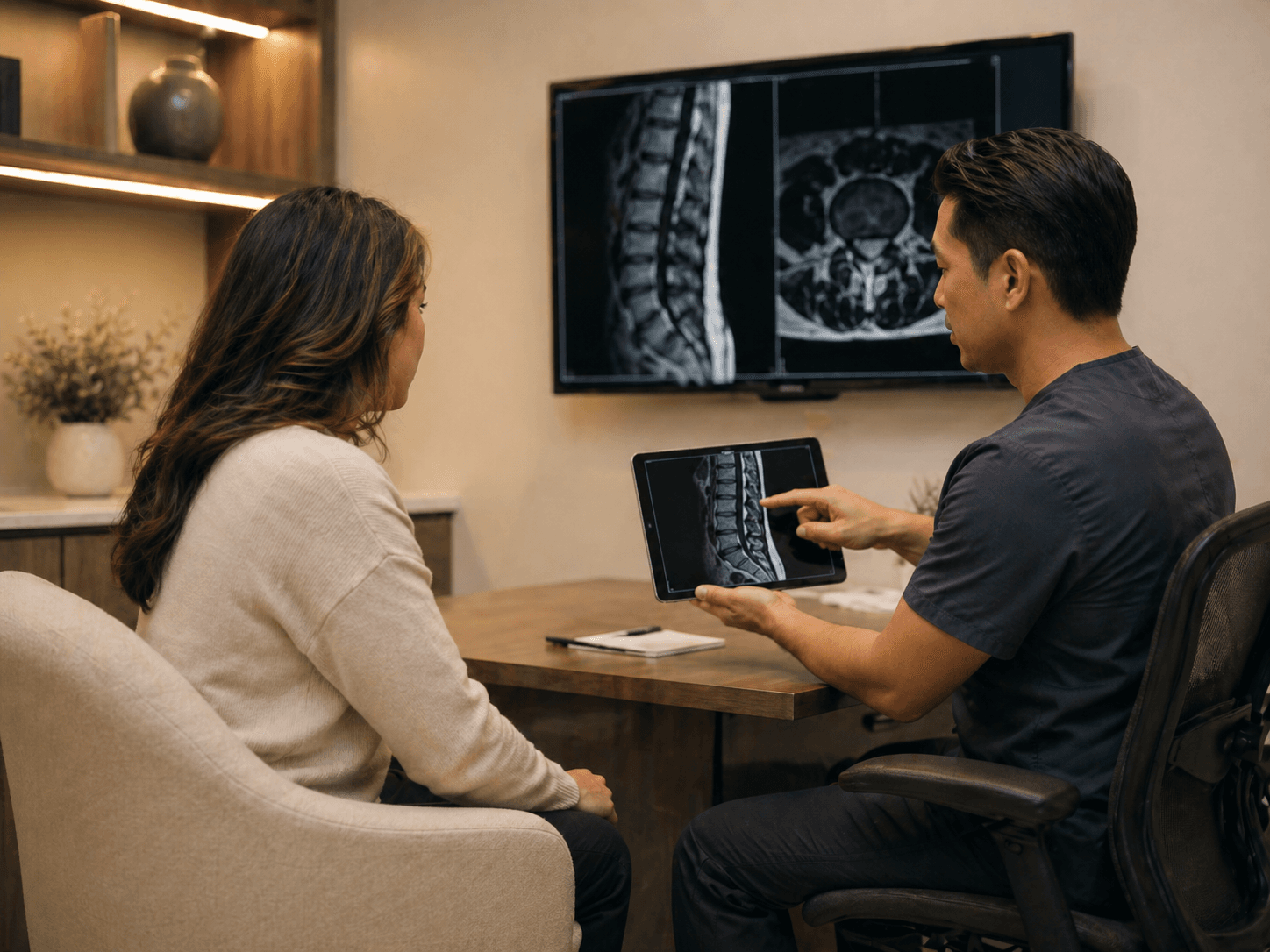
Patient-friendly information about chronic pain assessment, image-guided procedures, recovery expectations, and when to contact the clinic.
Precision Care Centre uses a multidisciplinary approach to identify the source of pain, match treatment to the diagnosis, and support recovery with practical follow-up guidance.
Review history, function, prior treatment, and imaging to understand the likely pain source.
Use image-guided injections, blocks, or ablation when they fit the diagnosis and care plan.
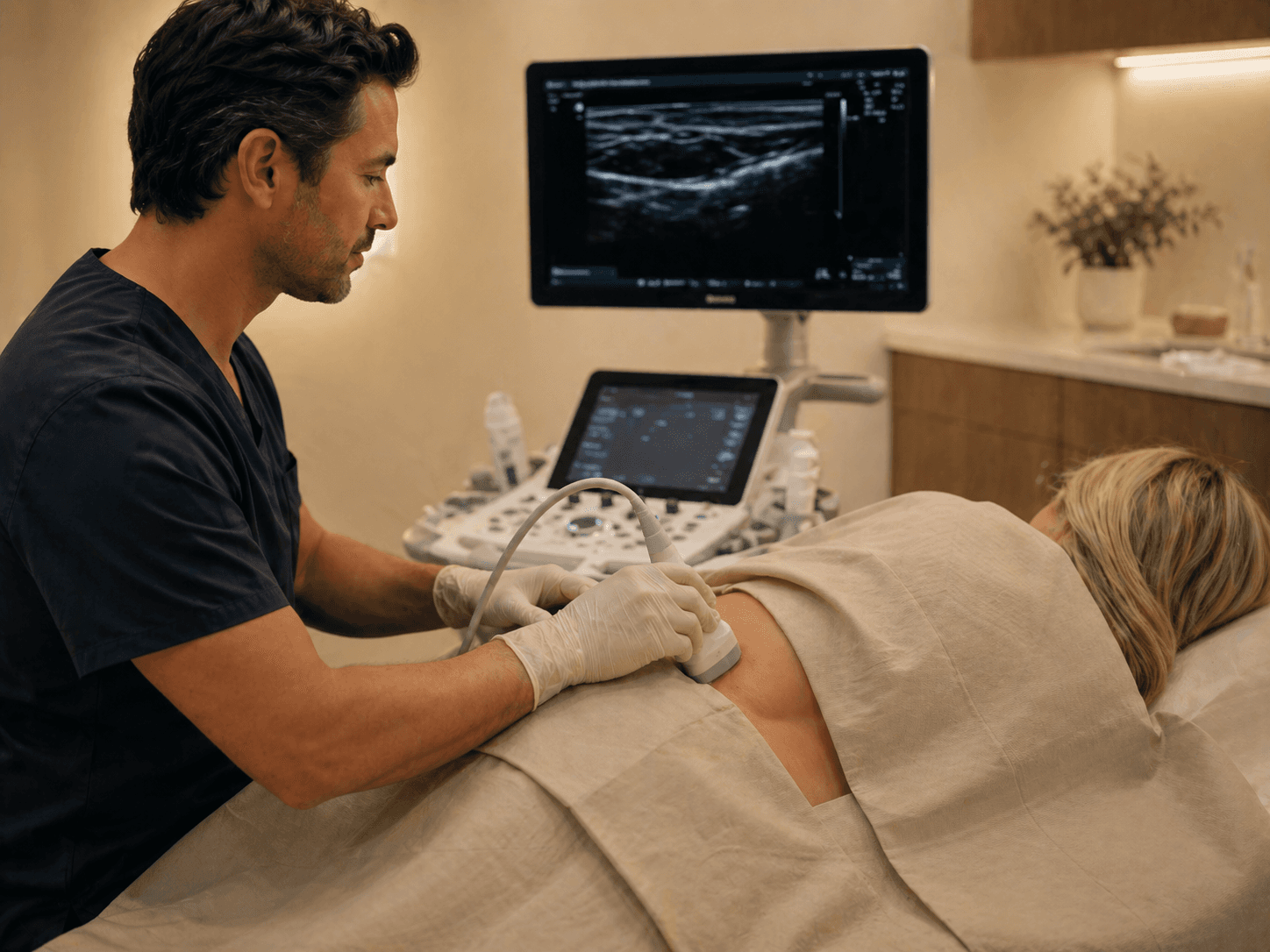
Track response, follow aftercare instructions, and adjust the next step based on results.

These pages explain procedures used to diagnose irritated nerves, reduce inflammation, and create a path toward more durable relief.
Useful when a nerve may be irritated, compressed, or tethered by surrounding tissue and a precise non-surgical procedure is being considered.
Best for patients who need targeted diagnosis, short-term relief, or a clearer answer about which nerve or joint is driving symptoms.
A logical next step when diagnostic injections confirm the pain source and longer-lasting relief is being considered.
Appropriate when irritated spinal nerves are contributing to arm or leg pain and a targeted or broad epidural approach is being considered.
These treatments address joint pain, sympathetic nerve-related symptoms, and more complex pain conditions that may need advanced options.
A good fit for patients with knee, shoulder, hip, or other joint pain when inflammation or degenerative change is limiting movement and comfort.
A specialized option for selected patients with PTSD-related hyperarousal, CRPS, anxiety, or related symptoms where sympathetic nerve activity may be part of the problem.
Advanced image-guided options for selected chronic or complex pain conditions when standard therapies have not provided enough relief.
Procedures are part of a treatment pathway. History, examination, imaging, and prior response to treatment help determine what is appropriate.
Ultrasound or fluoroscopy/X-ray is used where appropriate to improve accuracy, support safety, and target the intended structure.
Patients receive guidance about soreness, activity restrictions, medications such as acetaminophen, and when to contact the clinic.
Response to treatment helps shape the next step. In some cases, short-term relief from a diagnostic injection is a critical part of the diagnosis.
Procedure-specific aftercare may vary. Contact the clinic or seek urgent care if you develop concerning symptoms after an injection or procedure.
Start with the assessment page if the pain source is still being worked up, or call the clinic if you want help understanding which procedure page is most relevant.
For referral logistics, next steps, or preparing for a visit, the clinic can direct you to the right pathway.