Nerve Blocks & Diagnostic Injections

Image-guided nerve blocks can help identify the source of pain, reduce inflammation, and guide the next step in treatment.

Image-guided nerve blocks used to pinpoint the source of pain, reduce inflammation, or guide decisions about further treatment such as radiofrequency ablation.

Common procedures on this page

Medial branch blocks

Used to diagnose and treat pain coming from the facet joints of the spine, especially in chronic neck pain and low back pain.

Genicular nerve blocks

Target nerves around the knee to assess and treat chronic knee pain, including pain after knee replacement.

Peripheral nerve blocks

Used for nerves in areas such as the shoulder, hip, ankle, and upper extremity for joint-related and nerve-related pain.

Selective nerve root blocks

Target a specific spinal nerve root to diagnose and treat radiating arm or leg pain, including radiculopathy and sciatica.
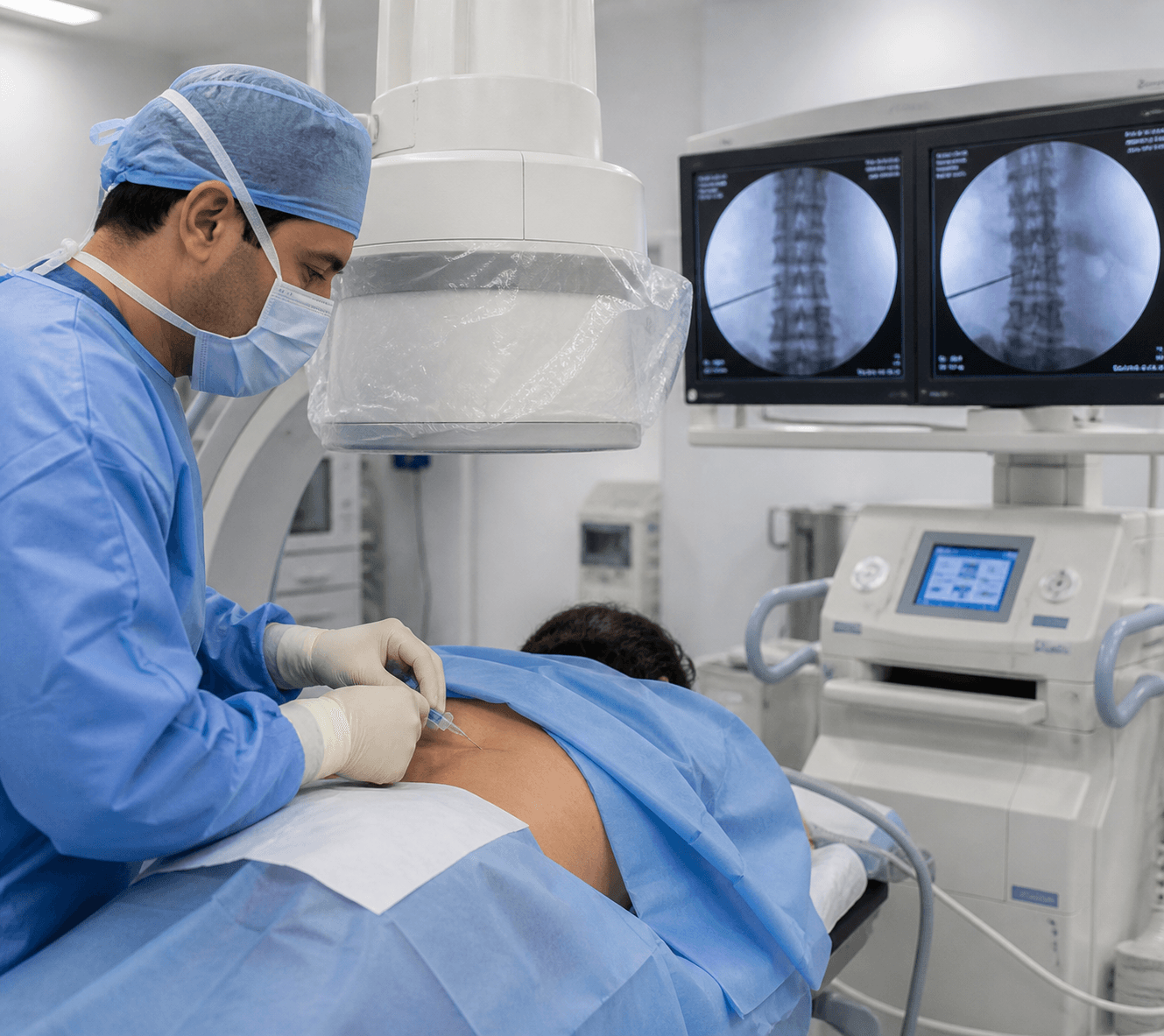
Image-guided nerve block injection procedure
Fluoroscopy-guided nerve block

Targeted blocks help diagnose and treat nerve-related pain.

How diagnostic injections are interpreted

A key purpose of some nerve blocks is diagnostic. By precisely targeting a nerve or joint and observing the pain response, the physician can gain important information about the likely source of the patient's symptoms - information that shapes the next treatment decision.

  • Short-term pain relief after the injection can help confirm the diagnosis
  • Temporary pain relief may last a few hours to up to one day, depending on the medication used
  • Pain often returns after the numbing medication wears off, which can still be useful diagnostically
  • If you are given a pain journal, the clinic relies on your recorded response to help plan the next step

Activity instructions after diagnostic injections

  • Stay active on the day of the procedure
  • Perform activities that normally bring on the pain if you have been instructed to do so
  • Bring the completed pain journal to the follow-up appointment

Why the pain journal matters

The pain journal you receive is a clinical tool, not just a formality. Recording how your pain responds - and bringing that record to your follow-up appointment - directly shapes what treatment is recommended next. It is one of the most useful things you can do after this type of injection.

What to expect after the procedure

  • Temporary numbness in the affected area
  • Mild soreness at the injection site
  • Immediate but short-term relief may occur in some cases
  • Temporary weakness or heaviness in the limb may occur after selective nerve root blocks
  • Do not drive on the day of the procedure if numbness or weakness is present

Benefits and role in the treatment plan

  • Minimally invasive with quick recovery
  • Performed with image guidance for accuracy and safety
  • Can provide meaningful pain relief
  • Helps accurately identify the source of pain
  • Can guide further treatment, including radiofrequency ablation

Risks and when to contact the clinic

  • Pain, bruising, or swelling
  • Temporary numbness or weakness
  • Infection or bleeding, which are uncommon
  • Very rare nerve injury or allergic reaction
  • Seek medical attention for increasing redness, swelling, or warmth, fever or chills, severe or worsening pain, or new or worsening weakness

Discuss whether nerve blocks & diagnostic injections is appropriate.

The clinic can review your symptoms, prior treatment, imaging, and whether this procedure fits into your care plan.

If you have a question after a recent procedure, call the clinic directly rather than waiting for an online response.